
Sri Lanka's Misty Tea Highlands 2026: Nuwara Eliya & Ella Guide
Explore Sri Lanka's tea highlands around Nuwara Eliya and Ella — colonial bungalows, waterfalls, and world-famous Ceylon tea estates.
Misty Tea Highlands: Sri Lanka’s Cool-Climate Heart
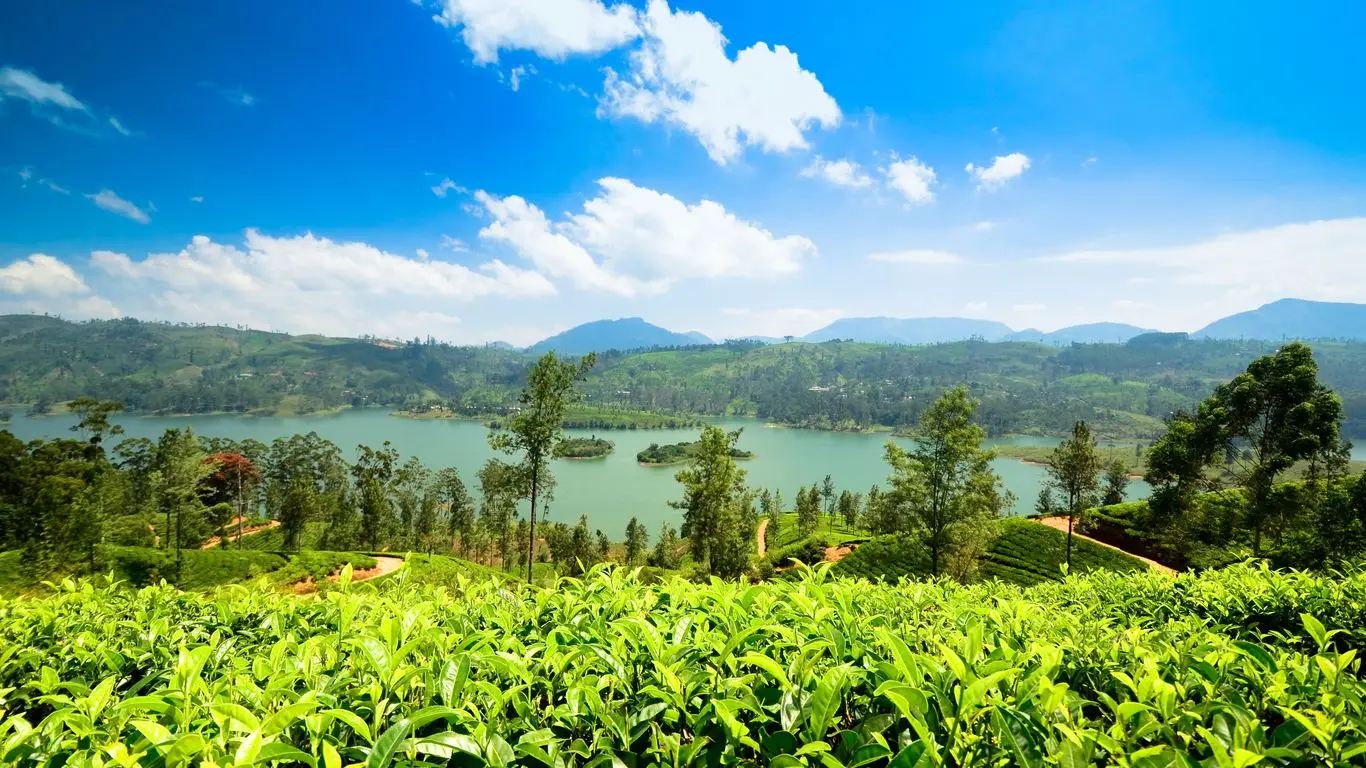
Centered on Nuwara Eliya and Ella, Sri Lanka’s tea highlands climb above 1,000m into rolling emerald tea valleys, colonial-era bungalows, dramatic waterfalls, and the world-famous Ceylon tea estates that define the region’s economy and landscape alike.
Quick Facts
- Core towns: Nuwara Eliya (1,868m) and Ella (1,041m)
- Best time to visit: December–March, driest and clearest
- Signature experience: The Kandy–Ella scenic train through the heart of the region
- What to pack: Warm layers — nights are genuinely cold at this elevation
What Makes This Region Special
This is a different Sri Lanka than the coast or ancient cities — cool air, working tea estates covering every hillside, and a slower pace built around factory tours, waterfall stops, and sunrise hikes. Explore Glenloch or Pedro Ceylon Tea Factory, hike to Horton Plains’ World’s End cliff edge, or ride the train through tea country between Kandy and Ella.
Frequently Asked Questions
Q: How cold does it get in the tea highlands? A: Nuwara Eliya can drop to 5–10°C at night, especially December–February; pack a proper jacket.
Q: How many days should I spend in the highlands? A: 3–4 days lets you combine Nuwara Eliya and Ella properly, including the train ride between them.
Q: Is the region walkable/hikeable for beginners? A: Yes — Little Adam’s Peak in Ella and the Lake Gregory area in Nuwara Eliya are both accessible for most fitness levels, alongside tougher options like Ella Rock.